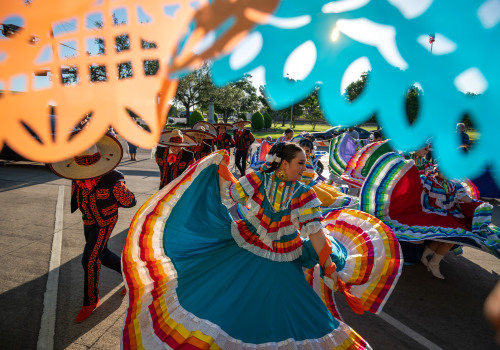
Multi-day festivals are often celebrated for their exciting performances, diverse attractions, and ability to bring communities together. Attendees typically experience the finished product: live entertainment, food vendors, engaging activities, and memorable moments. However, behind every successful festival is a complex operation that requires extensive planning, coordination, and problem-solving. While much attention is given to artist lineups and visitor experiences, the less visible challenges of managing events that span several days are rarely discussed. Organizers must navigate logistical hurdles, staffing concerns, infrastructure demands, and constantly changing conditions that can impact the success of the entire event.
The Challenge of Maintaining Operations Around the Clock
Unlike single-day gatherings, multi-day festivals require continuous operational support. Equipment must remain functional for extended periods, sanitation facilities need regular servicing, and event grounds require ongoing maintenance. Organizers must ensure that stages, lighting systems, sound equipment, and vendor areas continue operating smoothly despite prolonged use. Even minor disruptions can create significant complications when thousands of attendees are involved. Event managers often work long hours behind the scenes, coordinating repairs, troubleshooting issues, and ensuring that every aspect of the festival remains operational from opening to closing each day.
Staffing and Volunteer Fatigue
One of the most underestimated challenges involves managing staff and volunteers over multiple days. Initial enthusiasm can gradually decline as long shifts, unpredictable schedules, and physically demanding tasks begin to take their toll. Event organizers must carefully balance workloads, schedule breaks, and maintain morale to ensure that customer service and operational standards remain high throughout the event. Security personnel, maintenance crews, medical teams, and vendor support staff all play critical roles, and any shortages or fatigue-related mistakes can negatively impact the attendee experience. Successful festival management often depends as much on workforce planning as it does on entertainment programming.
Weather, Infrastructure, and Resource Management
Outdoor festivals face the additional challenge of adapting to changing weather conditions. Rain, excessive heat, wind, or unexpected storms can disrupt schedules, damage equipment, and affect attendance. Organizers must develop contingency plans that address safety concerns while minimizing disruptions. Infrastructure management is equally important. Temporary fencing, power systems, water access, waste collection, and transportation routes must function efficiently throughout the event. Resource planning extends to areas many attendees never consider. For example, large festivals often depend on generators, service vehicles, and equipment fleets that require fuel management strategies. In some cases, event planners may reduce costs and improve efficiency by buying fuel wholesale to support critical operations over the course of the event.
Vendor Coordination and Attendee Experience
Food vendors, merchandise sellers, sponsors, and activity operators all contribute to the festival atmosphere, but coordinating these participants presents its own challenges. Vendors may encounter inventory shortages, equipment failures, staffing issues, or supply chain delays during multi-day events. Organizers must maintain communication with dozens or even hundreds of participants while addressing concerns quickly and effectively. At the same time, attendee expectations remain high. Guests expect clean facilities, short wait times, reliable schedules, and a safe environment regardless of any behind-the-scenes difficulties. Meeting those expectations requires continuous monitoring and rapid decision-making.
Why These Challenges Matter
The success of a multi-day festival depends on far more than entertainment alone. Effective logistics, workforce management, infrastructure planning, resource allocation, and contingency preparation all play essential roles in delivering a positive experience. While attendees often remember the music, food, and attractions, organizers understand that success is built upon countless operational details that remain largely invisible to the public. Recognizing these rarely discussed challenges provides a deeper appreciation for the effort required to transform a temporary event into a memorable experience that runs smoothly from beginning to end.